Cat Design: A Closer Look
As an embroidery designer and product reviewer, I’ve seen my fair share of digital designs. But when I came across Cat Design, I wanted to take a closer look at how it would hold up in real-world projects. This graphic design is marketed as a versatile collection with multiple themes, and while the description is vague, I wanted to test its practicality for real embroidery work.
The First Impression
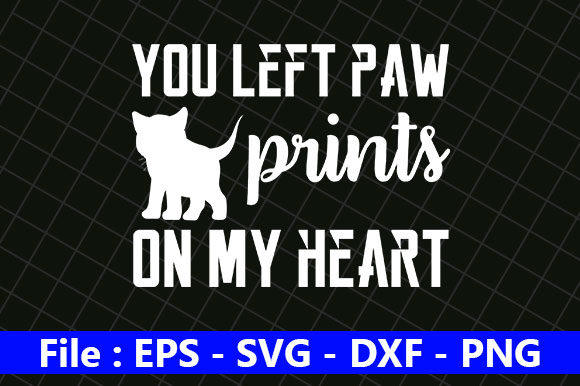
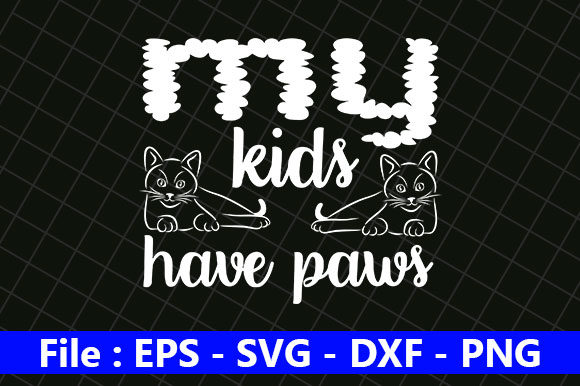
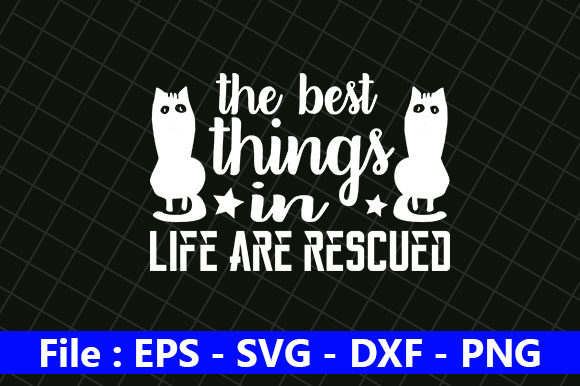
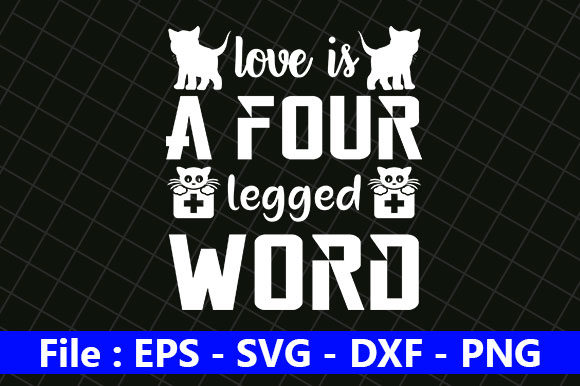
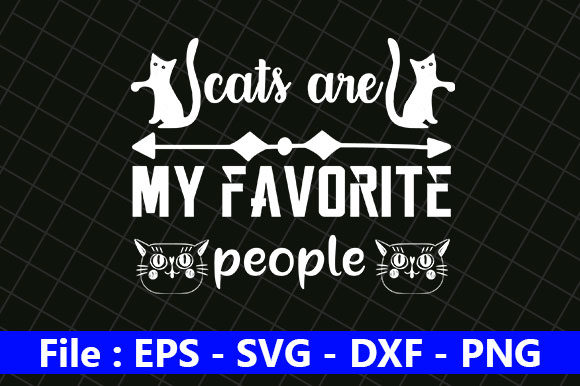
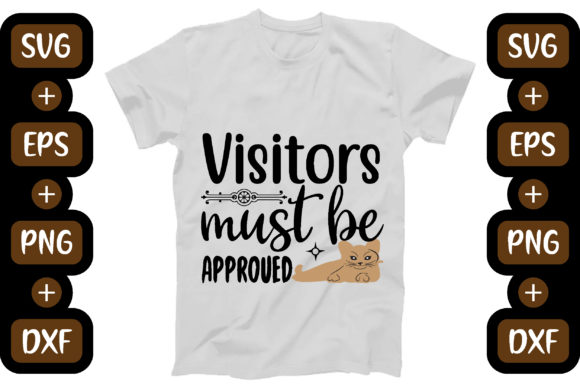
From the moment I opened the file, Cat Design felt like a solid starting point for a variety of projects. The overall mood is playful and whimsical, which makes it ideal for baby items, personalized gifts, or even holiday-themed merchandise. The layout is clean, with a clear focal point that allows the cat design to stand out without being overwhelming.
The level of detail is decent, with enough visual interest to make the finished product appealing. However, it’s not overly complex, which means it should work well on a range of fabric types and project sizes. The design seems to be optimized for standard hoop sizes, but I’ll get into that later.
Real-World Embroidery Use Cases
I tested Cat Design on several common embroidery projects, including a custom tote bag, a sweatshirt, and a baby onesie. In each case, the design translated well, maintaining its clarity and charm. The stitch patterns used—satin stitch for outlines, fill stitch for the body, and running stitch for details—were appropriate for the style of the design.
For a handmade product like a tote bag, Cat Design adds a nice touch of personality. It’s perfect for a small business owner looking to create unique, eye-catching items for an Etsy shop or craft fair. The design also works well as a sweatshirt embroidery, especially for casual, everyday wear.
When it came to baby items, the soft, rounded shapes of the cat design made it feel gentle and approachable. It’s a good choice for nursery decor or personalized baby clothes, where the design needs to be both cute and safe for little ones.
Where to Be Careful
While Cat Design is generally user-friendly, there are a few areas where caution is needed. If you’re working with small hoop sizes, the design might require some trimming or scaling down, depending on your machine’s capabilities. Similarly, if you’re using textured or stretchy fabrics, the design may not sit as smoothly as it would on a smooth, stable material.
On dark fabrics, the thread colors need to be carefully selected to ensure visibility. I found that using a contrasting color for the outline helped the design pop more effectively. For thin or delicate fabrics, a proper stabilizer is essential to prevent puckering or distortion during stitching.
Also, if you're planning to use this design on curved surfaces like caps or hats, be mindful of how the design will wrap around the shape. Some areas might appear stretched or distorted if not properly adjusted.
Impact on Visual Appeal and Customer Perception
Cat Design has a strong visual appeal that can elevate any handmade product. When stitched onto a tote bag or a pillow cover, it adds a personal touch that customers love. It’s the kind of design that makes a finished product feel special, which can translate into higher perceived value and better customer engagement.
For an Etsy seller or small shop owner, this design could be a valuable addition to your product lineup. It’s versatile enough to work across multiple items, from apparel to home decor. Plus, its playful nature makes it highly giftable, which is always a plus in the handmade market.
However, it’s important to maintain brand consistency. If your shop has a specific aesthetic, make sure Cat Design fits within that style. Otherwise, it might feel out of place or inconsistent with your other offerings.
Practical Designer Notes
Before finalizing any project with Cat Design, I recommend testing it on scrap fabric first. This will help you see how the design looks in real life and whether any adjustments are needed. Checking the thread color contrast is also crucial—especially if you plan to use the design on different fabric backgrounds.
Reviewing the stitch density is another key step. If the design is too dense, it may cause the fabric to pucker or become stiff. On the flip side, if it’s too sparse, the design might not hold up well over time. Confirming the hoop size is important too, as some machines have limitations on how large a design can be.
Inspecting small details like corners and lettering can make a big difference in the final result. Also, testing the design in black and white mockups helps you see how it will look on different fabrics. Comparing light and dark backgrounds can reveal any hidden issues that might not be obvious at first glance.
Finally, always check the licensing terms before selling any finished products or digital files. Even though Cat Design is described as “unlimited download,” it’s wise to confirm what exactly is allowed for commercial use.
Final Thoughts
Cat Design is a solid choice for embroidery designers, small business owners, and crafters looking for a versatile, fun design. It works well across a range of projects, from custom apparel to personalized gifts. While it’s not perfect for every situation, it offers a good balance of detail, usability, and visual appeal.
If you’re looking to expand your design library or add a new element to your craft business, Cat Design is worth considering. Just remember to test it thoroughly and use it wisely based on the specific requirements of your project.