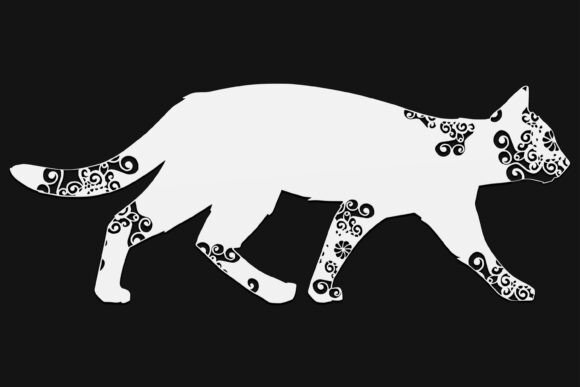
Cat Kitten Mandala
As a designer and embroidery product reviewer, I always start by looking at the mood and visual personality of a design before considering its practical use. Cat Kitten Mandala immediately caught my attention with its delicate balance of whimsy and sophistication. The intricate patterns and soft, flowing lines suggest a design meant for something personal and meaningful—perhaps a handmade gift or a boutique product that speaks to cat lovers.
The First Impression
Cat Kitten Mandala feels like it was created with care. The layout is clean and well-proportioned, making it suitable for a variety of embroidery projects. The theme is clear: a serene, artistic representation of a kitten within a mandala. This makes it ideal for items like baby clothes, personalized gifts, or decorative home goods. The level of detail is just right—not too busy, but enough to make the design stand out when stitched.
The visual personality of Cat Kitten Mandala leans toward calm and elegance, which fits well with products aimed at a more mature or refined audience. It’s not overly cute or childish, which makes it versatile for different types of handmade items.
Real-Life Use Cases
I can easily see Cat Kitten Mandala being used on custom apparel, such as a tote bag design or a sweatshirt embroidery. It would work well as an embroidered patch or a small applique design on a cap or apron. For baby items, it could be a charming addition to a onesie or a blanket, offering a subtle yet meaningful touch.
One scenario that comes to mind is preparing a personalized gift for a friend who loves cats. A Cat Kitten Mandala embroidered on a tea towel or a pillow cover would make a thoughtful and unique present. It also has potential as a holiday embroidery project, especially around the winter season when people look for cozy, decorative items.
For small business owners and Etsy sellers, this design could be a valuable addition to a collection of digital embroidery files. Its clean lines and manageable size make it easy to incorporate into printable mockups or digital product previews, helping to attract buyers looking for high-quality, ready-to-use designs.
Where to Be Careful
While Cat Kitten Mandala is visually appealing, there are some limitations to consider. If you're working with small hoop sizes, the design might require multiple hooping, which can be time-consuming. On textured fabrics or thin materials, the stitch density might show through, so testing on scrap fabric first is essential.
On dark fabrics, the design may not stand out as much unless the thread color is carefully chosen. Similarly, stretchy or curved surfaces like caps can be challenging, as the design might distort slightly during stitching. Tiny lettering or detailed corners might not hold up well if the stitch density is too low.
For commercial embroidery projects, it's important to check whether the design works on layered garments or in environments where frequent washing is expected. Proper stabilizer use is crucial here to ensure the design stays intact over time.
Impact on Visual Appeal and Value
Cat Kitten Mandala adds a sense of artistry to any finished product. When stitched correctly, it enhances the visual appeal of items like tote bags, baby clothes, or personalized gifts. It can elevate the perceived value of handmade products, making them more desirable to customers who appreciate unique, thoughtful details.
From a branding perspective, this design could help maintain consistency across a range of products. Its elegant style aligns well with a professional, creative aesthetic, which is important for small shop merchandise or boutique branding efforts.
When it comes to buyer engagement, Cat Kitten Mandala has the potential to attract a niche audience—cat lovers, art enthusiasts, and those looking for meaningful, handmade gifts. It’s also highly recognizable, which can help with brand recall and customer trust.
Practical Designer Notes
Before using Cat Kitten Mandala in a real project, I recommend testing it on scrap fabric to assess how it looks in different thread colors and fabric textures. Pay close attention to the stitch density—too dense, and it might cause puckering; too light, and the details might not show up clearly.
Confirm the hoop size required for your machine, and make sure the design scales properly for your intended use. If you’re planning to sell finished items or digital products, double-check the licensing terms to ensure you’re compliant with any restrictions.
Consider how the design will appear in black and white mockups, as this can give a better idea of how it will look on different fabric backgrounds. Also, test it on both light and dark fabrics to ensure visibility and contrast.
Finally, remember that even the best machine embroidery design needs the right stabilizer and proper technique to look its best. Whether you're creating a custom apparel piece or a small shop product, these steps can make all the difference in the final outcome.