Cat Step Embroidery Design Review
First Impressions of Cat Step
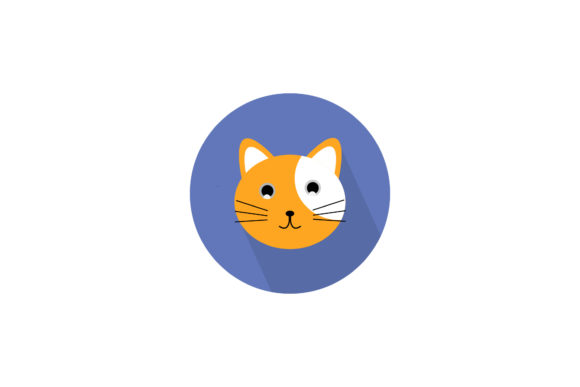
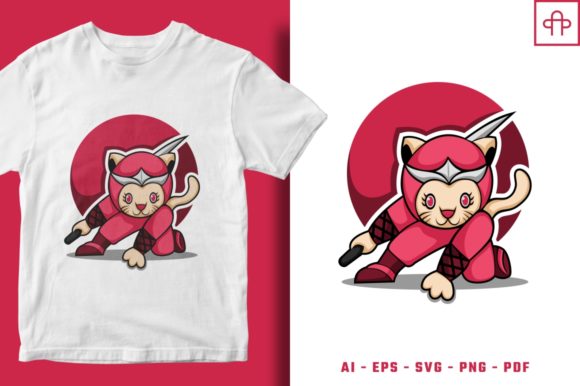
From the moment I opened the zipped file, Cat Step felt like a design that was made to be stitched. The high-resolution PNG with a transparent background gives it a clean, modern look, while the EPS 10 file offers flexibility for scaling and editing. The illustration is simple but expressive, capturing the essence of a cat in a way that feels both playful and professional.
The layout is straightforward, with a clear focal point and enough detail to make it visually engaging without being overwhelming. It’s the kind of design that could easily fit into a variety of projects—whether it’s a personalized gift or a commercial product. The theme is casual, making it ideal for items like tote bags, sweatshirts, or baby clothes.
Real-World Use Cases for Cat Step
Imagine you’re preparing a custom embroidered tote bag for a client who wants something unique yet subtle. Cat Step would work well here, especially if the design is placed on the front in a medium-sized hoop. The simplicity of the design ensures it won’t get lost on a larger surface, and the clean lines make it easy to stitch without too much complexity.
For a sweatshirt embroidery project, Cat Step could be used as a small accent on the sleeve or chest. Its size and shape make it suitable for both casual and slightly more formal wear. If you're an Etsy seller looking to add a new item to your shop, this design could serve as a great base for a printable mockup or a digital product preview.
In a baby item, such as a onesie or a blanket, Cat Step could be a charming addition. The soft, rounded shapes are gentle and age-appropriate, making it a safe choice for children’s clothing. It also works well as an embroidered patch for backpacks or jackets, where its compact size allows for easy placement.
Where to Be Cautious with Cat Step
While Cat Step is versatile, there are some situations where it might not perform as well. For instance, if you're working with a small hoop, the design might feel cramped, especially if you’re trying to include fine details. Similarly, on textured fabrics or thin materials, the design may not show up as clearly as it would on a smooth, heavier fabric.
Stretchy or dark fabrics can also pose challenges. On dark backgrounds, the design might not stand out unless you use a contrasting thread color. If you're planning to use it on a layered garment, like a jacket with a different inner lining, the design could get obscured unless properly positioned.
Dense stitch areas or detailed corners may require extra attention. If the design includes intricate elements, you might need to adjust the stitch density or use a stabilizer to prevent puckering. Tiny lettering or decorative accents could be problematic if they’re not clearly defined in the embroidery file.
Impact on Visual Appeal and Customer Perception
Cat Step has a strong visual presence that can elevate the value of any finished product. When stitched correctly, it adds a touch of personality and professionalism, which is essential for handmade products or personalized gifts. Customers often look for designs that feel unique and well-crafted, and this one delivers on both counts.
As an embroidery designer, I always consider how a design will translate from screen to fabric. Cat Step does a good job of maintaining its integrity across different surfaces and applications. It’s also a design that can help build brand consistency, especially for craft businesses or small shops that want to offer a cohesive range of products.
When used in holiday or wedding gifts, Cat Step can add a personal touch that makes the item feel more meaningful. It’s also a great choice for commercial embroidery projects, where reliability and quality are key factors in customer satisfaction.
Practical Tips for Using Cat Step
Before committing to a full project, I always recommend testing the design on scrap fabric. This helps you see how it looks in real life and identify any potential issues with stitching or placement. Checking the thread color contrast is also important—especially if you’re using it on dark or light backgrounds.
Reviewing the stitch density is another step I don’t skip. If the design is too dense, it might cause fabric distortion or thread breakage. Confirming the correct hoop size ensures that the design fits comfortably without being stretched or compressed.
Inspecting small details is crucial, especially if the design includes delicate elements. Testing it in black and white mockups can help you see how it appears without color, which is useful for digital product previews or printable mockups. Comparing it against different fabric backgrounds can also reveal how it performs in various settings.
Using the right stabilizer is essential, particularly for stretchy or lightweight fabrics. Making sure the design works for both personal and commercial projects is also important, especially if you're selling finished items or digital products. Always check the licensing terms before using it in any paid context.
Final Thoughts on Cat Step
Cat Step is a solid choice for embroidery designers, small business owners, and crafters looking for a reliable and adaptable design. It’s well-suited for a wide range of projects, from custom apparel to personalized gifts, and it maintains a level of quality that supports both handmade and commercial use.
Whether you're an experienced embroiderer or just starting out, this design offers practical value and creative potential. With careful consideration of fabric type, stitch density, and placement, Cat Step can become a valuable asset in your embroidery toolkit.