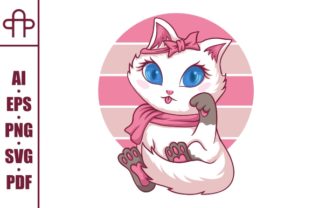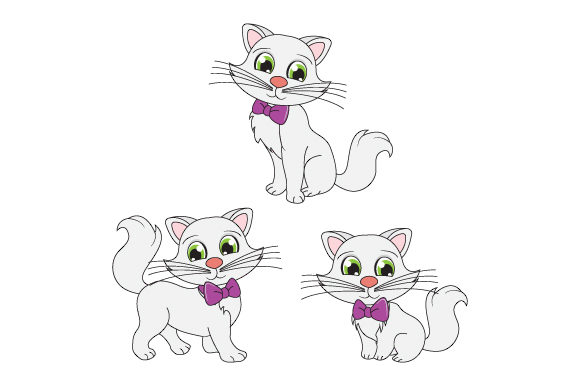
Pretty Cat Embroidery Design
As an embroidery designer and product reviewer, I’ve evaluated countless machine embroidery designs. Pretty Cat stands out for its charm and versatility, but like any design, it requires careful consideration before use in real projects. Let’s dive into what makes this design work—and where it might fall short.
The First Impression: A Whimsical Feline with Potential
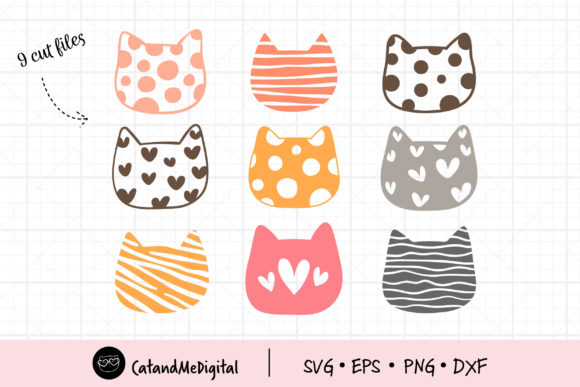
When I first opened the ZIP file containing Pretty Cat, I was struck by its clean, stylized look. The design is simple yet expressive, with a soft, approachable vibe that feels perfect for a wide range of applications. The cat’s shape is well-proportioned, and the layout is balanced, making it easy to adapt to different embroidery formats.
The visual personality of Pretty Cat leans toward playful and nostalgic, which makes it ideal for baby items, children’s clothing, or personalized gifts. It doesn’t scream “fancy,” but that’s part of its appeal—it’s friendly and accessible, which can be a big plus for small business owners looking to connect with their audience.
Real-World Use: Where Does Pretty Cat Shine?
I tested Pretty Cat on a few different fabrics and projects to see how it performed. One of the first uses I considered was a custom embroidered tote bag for a local boutique. The design translated well onto cotton canvas, with clear stitch lines and a smooth satin stitch finish. It added a charming touch without overwhelming the fabric.
Another project I tried was a sweatshirt embroidery. The design worked well on light-colored fabric, and the stitch density was just right—enough to show detail without causing bulkiness. For a small shop product, this could be a great addition to a line of casual wear or promotional merchandise.
Pretty Cat also showed promise as an embroidered patch. Its simplicity made it easy to scale down, and the details remained visible even at smaller sizes. This makes it a solid choice for caps, jackets, or backpacks.
Where to Be Cautious: Limitations and Considerations
While Pretty Cat is a strong design, there are a few areas where it might not perform as well. For instance, on textured or stretchy fabrics, the stitches can sometimes appear uneven or distorted. This is especially true if the stabilizer isn’t properly applied. I recommend testing it on scrap fabric before committing to a final project.
On dark fabrics, the design may require a contrast thread color to stand out. If you’re using a black or navy background, consider using a white or light-colored thread to ensure visibility. Similarly, on thin or delicate materials, the stitch density might cause the fabric to pucker or tear. In those cases, a lighter fill stitch or fewer layers might be necessary.
For commercial embroidery projects, it’s important to confirm the licensing terms before selling finished products or digital files. While the ZIP file includes SVG, AI, and EPS formats, specific usage rights aren’t mentioned. Always double-check the license to avoid legal issues.
Design Notes for Embroidery Professionals
As a designer, I always start by testing new embroidery files on scrap fabric. With Pretty Cat, I found that it works best on medium-weight, non-stretchy fabrics. For applique designs, the outline is clear, and the fill areas are consistent, making it suitable for layered stitching.
If you plan to use Pretty Cat for a printable mockup or digital product preview, make sure to check how it looks in both light and dark backgrounds. Some details may get lost if not adjusted properly. Also, review the stitch density to ensure it won’t cause excessive wear on the fabric over time.
For small business owners and Etsy sellers, this design could be a valuable addition to your product lineup. It’s versatile enough to fit into a variety of handmade products, from baby onesies to holiday gifts. However, keep in mind that customer expectations vary—some may prefer more intricate designs, while others appreciate simplicity and charm.
Final Thoughts: A Design That Works with Intention
Pretty Cat is a solid machine embroidery design that offers a balance of style and functionality. It’s not overly complex, but that’s part of its strength—it’s easy to work with and adaptable to different projects. Whether you’re creating custom apparel, personalized gifts, or small shop merchandise, this design has potential.
However, like any embroidery file, it requires thoughtful application. Pay attention to fabric type, hoop size, and thread color. Test it thoroughly before using it in a client project or selling it as a finished product. With care, Pretty Cat can become a valuable asset in your creative toolkit.
As a designer, I appreciate when a design feels intentional and practical. Pretty Cat meets that standard, offering a friendly, usable format that can enhance a variety of embroidery projects. Just remember: the success of any design depends on how it’s used—and that’s where your skill and judgment come in.