Spy Cat Retro
As an embroidery designer and product reviewer, I’ve seen my fair share of digital designs. But when I first opened the Spy Cat Retro file, I was immediately struck by its nostalgic charm and clean, bold lines. This is a design that feels like it belongs in a retro-themed project—whether it’s a custom tote bag for a local café or a personalized baby onesie for a craft fair. The mood is playful yet sophisticated, with a visual personality that’s both recognizable and versatile.
First Impressions: A Design That Speaks Volumes
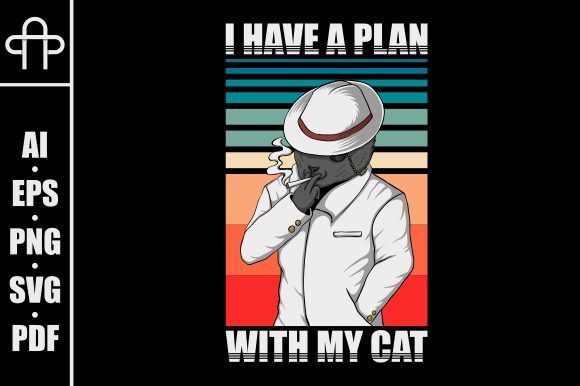
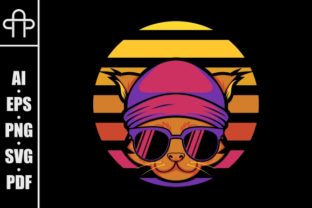
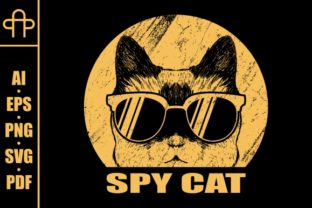
Spy Cat Retro immediately conveys a sense of whimsy and character. The shape is well-proportioned, with a strong central focus on the cat’s face and a subtle, stylized tail that adds just enough detail without overwhelming the composition. The layout is balanced, making it suitable for a wide range of applications—from small patches to larger embroidered items. The level of detail is appropriate for an embroidery design, with enough texture to make the cat stand out but not so intricate that it becomes difficult to stitch out.
This design would fit naturally into projects that lean into vintage aesthetics, such as retro t-shirts, embroidered caps, or even holiday-themed gifts. It has a visual personality that feels authentic, which is essential for handmade products that aim to connect with customers on an emotional level.
Real-World Embroidery Performance
Testing Spy Cat Retro on a variety of fabrics and projects gave me a good sense of how it performs in real-life embroidery situations. On a standard cotton t-shirt, the design stitched out cleanly, with clear satin stitches and a smooth fill. The stitch density was well-balanced, avoiding the risk of puckering or thread breakage. However, I noticed that on thinner or stretchy fabrics, the design required a bit more stabilizer to maintain its shape and prevent distortion.
For custom apparel like sweatshirts or tote bags, Spy Cat Retro works well. The design is large enough to be visible but not so big that it overwhelms the garment. On baby clothes, the simplicity of the design makes it safe and easy to embroider, while still offering a fun, recognizable image. For patches or aprons, the design holds up well, especially when using a medium-weight stabilizer to support the fabric during stitching.
One area where Spy Cat Retro might need extra attention is on dark fabrics. While the design is clear on light backgrounds, the contrast can be less effective on darker materials. In such cases, adjusting the thread color or using a white underlay could help improve visibility. Similarly, on textured or stretchy fabrics, the design may require some adjustments to ensure the stitches lie flat and don’t get caught in the weave.
Where to Use With Caution
Spy Cat Retro is a strong design, but it’s not without limitations. If you’re working with small hoop sizes, this design may not fit comfortably, requiring multiple hooping sessions. On curved surfaces like caps or hats, the design might need some repositioning to ensure even stitching. Tiny details, such as the cat’s eyes or whiskers, could be challenging on very small scales, so it’s worth testing on scrap fabric before committing to a final project.
For layered garments or products that will see frequent washing, the design should be tested for durability. Dense stitch areas, such as the cat’s ears or body, may benefit from additional stabilizer to prevent pilling or wear over time. If you're planning to use this design for commercial purposes, always check the licensing terms to ensure it’s suitable for your intended use.
Impact on Visual Appeal and Customer Perception
Spy Cat Retro has the potential to elevate any embroidery project. Its clean lines and retro aesthetic make it visually appealing, which is key for handmade products that rely on strong design to stand out. When stitched correctly, the design adds value to a finished product, whether it's a custom tote bag, a baby onesie, or a holiday gift. Customers are often drawn to designs that feel unique and well-crafted, and Spy Cat Retro fits that bill.
From a branding perspective, this design can help reinforce a cohesive look for a craft business or Etsy shop. It’s also great for personalized gifts, where the visual appeal of the embroidery plays a big role in the recipient’s satisfaction. For commercial embroidery projects, the design offers a reliable, repeatable option that can be used across different products and marketing materials.
Practical Designer Notes
Before using Spy Cat Retro in a real project, I recommend testing it on scrap fabric to see how it looks and behaves. Pay attention to the stitch density and how the design interacts with the fabric texture. If you're planning to use it on dark fabric, consider using a white underlay or adjusting the thread color for better contrast.
Also, test the design in black and white mockups to see how it translates in different formats. This is especially important if you're creating printable mockups or digital product previews. Make sure the design works for both personal and commercial use, and always confirm the licensing terms before selling any finished items or digital products.
In summary, Spy Cat Retro is a solid embroidery design that offers a mix of nostalgia and modern appeal. It’s well-suited for a variety of projects, from custom apparel to personalized gifts, and with proper preparation, it can become a valuable addition to any embroidery collection.